
Restaurant Loyalty Program Not Working? 5 Mistakes That Drive Guests Away
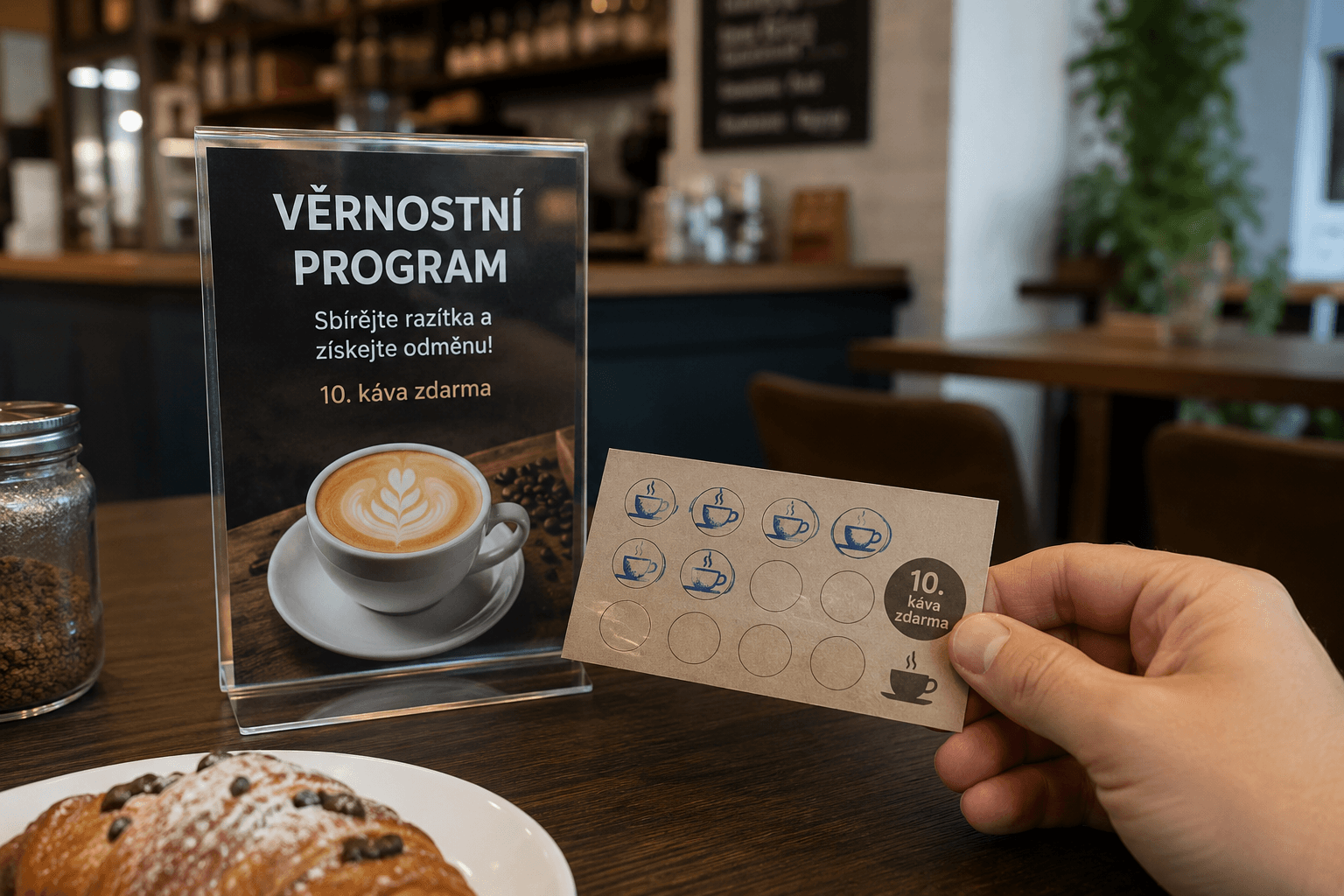
Restaurant Loyalty Program Not Working? 5 Common Mistakes That Cost You Repeat Customers
Many restaurants invest time and money into a loyalty program, only to discover that the results fall short of expectations.
Guests do not engage with the program, rarely redeem rewards, and the number of repeat visits remains unchanged.
As a result, restaurant owners often conclude that loyalty programs simply do not work.
In reality, the problem is usually not the concept itself, but the way the program is designed and managed.
There are several common mistakes that significantly reduce the effectiveness of a restaurant loyalty program. The good news is that most of them can be fixed relatively easily.
Let’s look at the five most common loyalty program mistakes that cause restaurants to lose valuable repeat customers.
Why Restaurant Loyalty Programs Fail
A loyalty program is about much more than collecting points or offering discounts.
Its primary purpose is to encourage guests to return and build a long-term relationship with your restaurant.
If the program does not provide real value to customers, they will stop using it.
That is why success depends not only on rewards but also on the overall structure of the loyalty system.
If you are planning to launch a loyalty program, we recommend reading our guide on how to create a restaurant loyalty program for a complete step-by-step approach.
Mistake #1: The Program Is Too Complicated
One of the most common problems.
Restaurant owners often create systems with:
- multiple membership levels,
- complicated rules,
- numerous conditions,
- confusing reward structures.
Guests do not want to study program rules.
If they cannot understand the benefits within a few seconds, they are unlikely to join.
How to Fix It
Keep the program simple.
For example:
- 1 visit = 1 point
- 10 points = reward
Guests should immediately understand what they receive and how to earn it.
Mistake #2: Rewards Are Not Attractive Enough
Many restaurants offer rewards that customers simply do not value.
Typical examples include:
- very small discounts,
- low-value products,
- rewards that require too much time to earn.
If guests do not see a clear benefit, they have little reason to return.
Rewards That Actually Work
The most effective incentives often include:
- a free dessert,
- a complimentary drink,
- birthday rewards,
- discounts on future visits,
- exclusive offers for loyalty members.
The right rewards can significantly increase customer retention.
Mistake #3: No Customer Data Is Being Collected
Traditional paper loyalty cards may allow guests to collect stamps, but they provide almost no useful data.
As a result, restaurants do not know:
- who their best customers are,
- how often they visit,
- what they order,
- when they stop returning.
Without customer data, it is impossible to improve program performance.
This is one reason why more restaurants are adopting a digital loyalty program that provides detailed customer insights and performance analytics.
Mistake #4: The Program Is Not Integrated with Other Restaurant Tools
Modern restaurants often use:
- online reservations,
- QR menus,
- QR ordering,
- CRM systems,
- digital payments.
When a loyalty program operates separately from these tools, restaurants miss a major opportunity.
For example, guests can automatically earn points through reservations or orders.
This type of integration increases customer engagement while reducing operational complexity.
Connecting a loyalty system with a restaurant reservation system and a modern QR menu for restaurants can dramatically improve results.
Mistake #5: The Restaurant Does Not Promote the Program
Many businesses launch a loyalty program and expect guests to discover it on their own.
That is a mistake.
Guests should be regularly reminded about the program through multiple touchpoints.
For example:
- during online reservations,
- while placing orders,
- at checkout,
- on the restaurant website,
- in email marketing campaigns,
- across social media channels.
The more visible the program is, the more likely customers are to participate.
How to Measure Loyalty Program Success
Many restaurants launch a loyalty program and assume it is working.
However, measuring performance is essential if you want to improve customer retention and maximize results.
One reason a restaurant loyalty program may not work as expected is the lack of proper performance tracking.
Number of Active Members
The first metric to monitor is active participation.
The total number of registrations is not enough.
Instead, focus on:
- how many guests actively collect points,
- how many redeem rewards,
- how many return regularly.
A large number of inactive members may indicate weak rewards or poor communication.
Customer Retention Rate
One of the primary goals of a loyalty program is to increase repeat visits.
Monitor:
- how frequently guests return,
- the number of visits per month,
- changes in retention after implementing the program.
A growing retention rate is one of the strongest indicators of success.
Reward Redemption Rate
Restaurants should understand which rewards motivate guests the most.
If certain rewards are rarely used, they may not provide enough value.
Popular rewards reveal what customers truly appreciate.
Average Spend Per Guest
A successful loyalty program should not only increase visit frequency.
It should also encourage higher spending.
Compare the average spending of loyalty members with that of non-members.
In many cases, loyal customers spend significantly more.
Data-Driven Decision Making
Improving a loyalty program without data is extremely difficult.
Modern digital loyalty solutions allow restaurants to track key performance indicators in real time and quickly identify problems that may be limiting results.
For deeper insights into website traffic, reservations, and marketing performance, tools such as Google Analytics can help restaurants better understand customer behavior and conversion sources.
Regular analysis helps restaurants increase customer loyalty, improve retention, and drive long-term revenue growth.
Key Loyalty Program Metrics
| Metric | What to Measure | Why It Matters |
|---|---|---|
| Active Members | Number of guests actively using the program | Measures customer engagement |
| Customer Retention | Frequency of repeat visits | Indicates loyalty program success |
| Reward Redemption | How often rewards are used | Shows reward effectiveness |
| Average Spend | Spending per loyalty member | Measures revenue impact |
| New Sign-Ups | New members per month | Indicates program growth |
| Inactive Members | Members who stop participating | Helps identify weaknesses |
| Visit Frequency | How often guests return | Measures customer loyalty |
| Registration Source | Website, QR menu, reservations, social media | Helps optimize marketing channels |
If a restaurant loyalty program is underperforming, these metrics can help identify the root cause. Tracking the right data makes it easier to optimize rewards, improve communication, and increase guest loyalty.
Why Digital Loyalty Programs Deliver Better Results
Digital solutions offer several advantages:
- automatic point tracking,
- personalized offers,
- detailed analytics,
- customer CRM databases,
- reservation system integration,
- QR menu integration.
For this reason, more restaurants are moving away from paper loyalty cards and adopting digital loyalty systems.
If you would like to learn more, read our comparison article Digital Loyalty Program vs Paper Loyalty Cards: Which Works Better in 2026?
How to Improve Loyalty Program Performance
The most successful restaurants combine several important factors:
- simple rules,
- attractive rewards,
- automation,
- customer data collection,
- regular communication,
- integration with restaurant technology.
This approach increases customer retention and strengthens long-term relationships with guests.
Why Restaurants Choose RestoCraft
RestoCraft offers a digital loyalty solution built specifically for restaurants.
The platform includes:
- loyalty programs,
- online reservations,
- QR menus,
- QR ordering,
- QR payments,
- customer CRM,
- marketing analytics.
Restaurants gain a complete ecosystem for building guest loyalty and increasing revenue from a single platform.
The Biggest Mistake Is Having No Loyalty Strategy at All
Many restaurants still rely solely on food quality and customer service.
While both are essential, today’s competitive market requires more.
A well-designed loyalty program encourages guests to return more often, spend more, and develop a stronger connection with your brand.
Avoid these common mistakes, and your loyalty program can become one of the most profitable tools in your restaurant’s growth strategy.
FAQ
Why is my restaurant loyalty program not working?
The most common reasons include overly complex rules, weak rewards, poor communication, and a lack of customer data.
What rewards work best in a restaurant loyalty program?
Free desserts, complimentary drinks, birthday rewards, and exclusive member offers are among the most effective incentives.
Are digital loyalty programs better than paper loyalty cards?
Yes. They provide automation, analytics, personalization, and integration with other restaurant systems.
How can I increase loyalty program participation?
Keep the program simple, promote it consistently, and offer rewards that customers genuinely value.
Can a loyalty program increase repeat visits?
Absolutely. A properly designed restaurant loyalty program is one of the most effective ways to improve customer retention and encourage repeat business.