
How Much Does a Restaurant Reservation System Cost? Pricing and Features in 2026
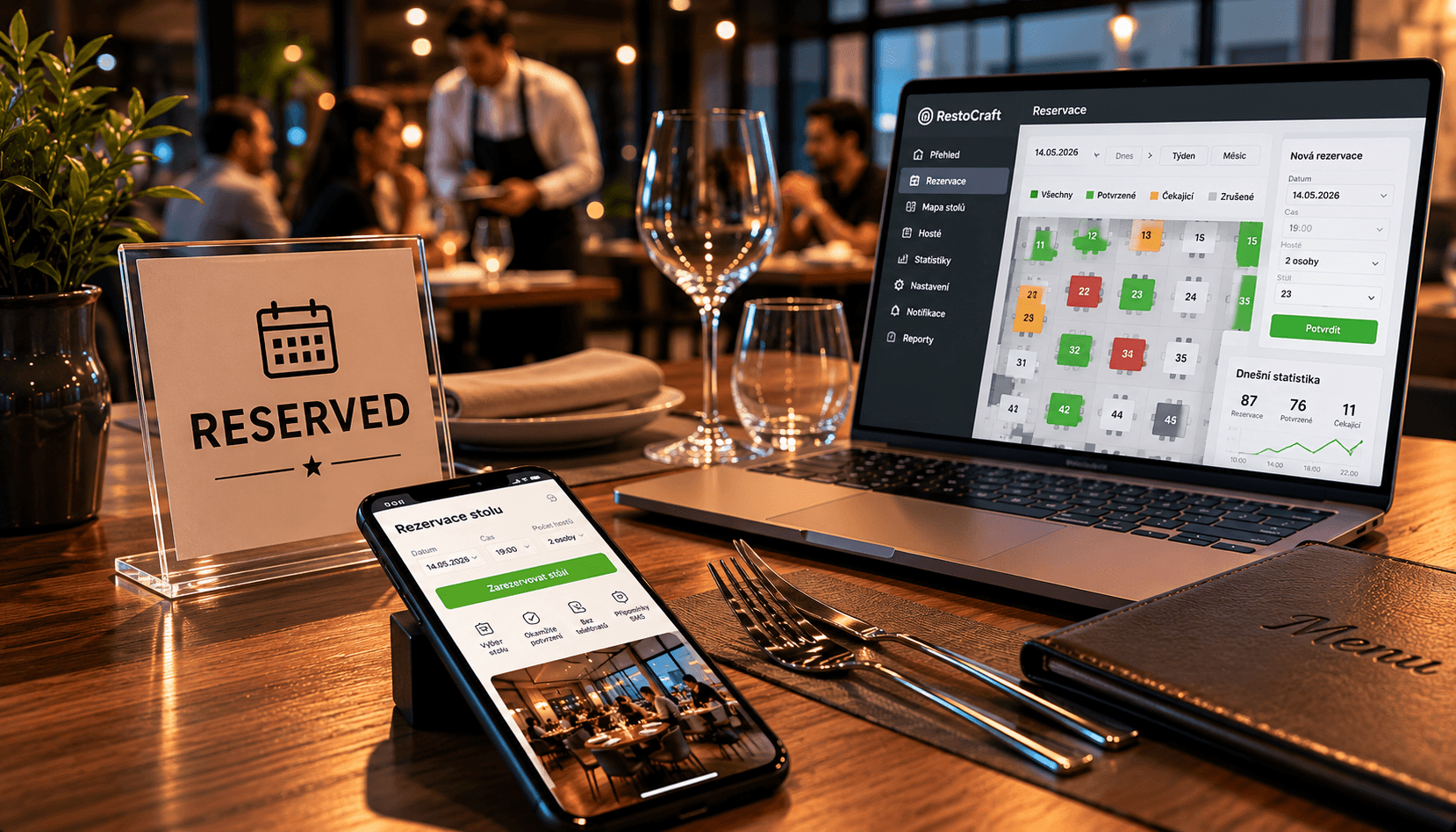
How Much Does a Restaurant Reservation System Cost? Pricing and Features in 2026
Restaurant owners are increasingly asking whether investing in an online reservation system is worth it. Today’s guests expect to book a table in seconds—without phone calls, waiting, or uncertainty.
Yet many operators hesitate because of one key question: cost.
So, how much does a restaurant reservation system actually cost? What features should it include? And is the investment worth it?
Let’s take a closer look at the real costs and benefits.
Table of Contents
- Why Restaurants Invest in Reservation Systems
- What Influences the Cost of a Reservation System?
- Restaurant Reservation System Pricing in 2026
- Hidden Costs Restaurants Often Overlook
- When Does the Investment Pay Off?
- Essential Features of a Modern Reservation System
- Is a Cheap Reservation System Worth It?
- How RestoCraft Approaches Restaurant Reservations
- Frequently Asked Questions
- Conclusion
Why Restaurants Invest in Reservation Systems
Just a few years ago, phone reservations were the standard. Today, guests expect the ability to book a table online directly from a restaurant website or mobile device.
A modern reservation system helps restaurants:
- automate reservation management;
- reduce missed calls;
- eliminate booking errors;
- optimize table occupancy;
- collect valuable guest data;
- increase repeat visits.
A reservation system is no longer just a tool for managing tables. It has become an essential part of customer experience and restaurant marketing.
If you’d like to understand the entire booking process in more detail, read our article How Does a Restaurant Reservation System Work?
What Influences the Cost of a Reservation System?
The price can vary significantly depending on features, scalability, and implementation requirements.
Type of System
There are several categories of reservation solutions available:
- basic booking forms;
- cloud-based reservation platforms;
- professional restaurant reservation systems;
- custom-built solutions.
Generally, the more functionality a system offers, the higher the cost.
Number of Reservations
Some providers charge monthly fees based on reservation volume.
For example:
- up to 100 reservations per month;
- up to 500 reservations per month;
- unlimited reservations.
For busy restaurants, volume-based pricing can become expensive over time.
Website Integration
Many reservation systems use iframes or redirect guests to external booking pages.
This often creates several drawbacks:
- poorer user experience;
- weaker SEO performance;
- limited conversion tracking.
More advanced solutions allow the reservation system to be fully integrated directly into the restaurant’s website.
Marketing Features
One of the biggest differences between budget and professional systems is marketing functionality.
Advanced reservation platforms may include:
- SMS reminders;
- email campaigns;
- guest databases;
- CRM tools;
- analytics;
- remarketing capabilities;
- reservation source tracking.
These features can have a direct impact on restaurant revenue.
Restaurant Reservation System Pricing in 2026
| Solution Type | Typical Cost | Best For |
|---|---|---|
| Free solution | $0/month | Small venues with very few reservations |
| Basic cloud-based system | $15–$70/month | Cafés and small restaurants |
| Professional reservation system | $70–$250/month | Most restaurants |
| Advanced system with CRM and marketing tools | $250–$700/month | Restaurants focused on growth and customer retention |
| Custom-built solution | From $2,000+ one-time investment | Restaurant groups, hotels, large-scale projects |
It’s important to remember that the cheapest option isn’t always the most cost-effective in the long run. When choosing a reservation system, focus not only on price but also on functionality, integration options, and business value.
Free Solutions
Cost:
$0 per month
Advantages:
- no upfront investment;
- quick setup.
Disadvantages:
- very limited functionality;
- no advanced analytics;
- limited customization;
- provider branding often displayed.
These solutions are generally suitable only for very small businesses.
Basic Cloud-Based Systems
Cost:
$15–$70 per month
Typically include:
- online reservations;
- email confirmations;
- basic table management.
Limitations:
- restricted SEO capabilities;
- limited integrations;
- basic reporting tools.
Professional Reservation Systems
Cost:
$70–$250 per month
Common features:
- real-time table management;
- SMS notifications;
- guest database;
- analytics and reporting;
- marketing tools;
- POS integrations.
This category is the most popular choice among modern restaurants.
Custom Solutions
Cost:
Thousands to tens of thousands of dollars
Suitable for:
- hotel restaurants;
- restaurant chains;
- event venues;
- businesses with highly specific requirements.
The main advantage is flexibility.
The main drawback is cost.
Hidden Costs Restaurants Often Overlook
When evaluating reservation software, subscription pricing is only part of the equation.
Other costs may include:
SMS Charges
Some providers charge separately for every text message sent.
With hundreds of reservations each month, these fees can add up quickly.
Integration Fees
Additional costs may apply for connecting:
- POS systems;
- CRM platforms;
- payment gateways;
- websites.
User-Based Pricing
Some providers charge per staff member.
If multiple managers or locations need access, costs can increase significantly.
Per-Reservation Fees
Certain platforms charge commissions on every reservation.
Over time, this model can become much more expensive than a fixed monthly subscription.
When Does the Investment Pay Off?
Many restaurant owners focus only on costs.
The more important question is return on investment.
For example:
A restaurant receives 300 reservations per month.
Average guest spend:
$50 per reservation
If the reservation system helps generate just 10 additional reservations per month, that equals:
$500 in additional monthly revenue.
If it also reduces no-shows, the financial impact can be even greater.
Essential Features of a Modern Reservation System
When choosing a system, price should never be the only factor.
The real value lies in the balance between cost and business benefits.
24/7 Online Reservations
Guests can book anytime—even outside business hours.
Interactive Floor Plan
Modern reservation systems allow restaurants to:
- manage tables;
- create seating zones;
- reserve specific tables.
This makes operations far more efficient.
Automated Reminders
SMS and email reminders help reduce cancellations and no-shows.
No-shows remain one of the biggest challenges facing restaurants today.
Learn more in our article How to Reduce No-Shows in Restaurants Using Modern Technology.
Guest Database
Every reservation generates valuable customer data.
Restaurants can track:
- visit history;
- preferred tables;
- frequency of visits;
- birthdays and special occasions.
This enables personalized marketing and stronger customer relationships.
Analytics and Reporting
A quality reservation system provides insights into:
- busiest days;
- peak hours;
- reservation sources;
- repeat customer rates.
These insights support better operational and marketing decisions.
Reservation Management for Events and Special Occasions
Many restaurants don’t just manage standard table bookings. They also host wine tastings, live music nights, themed events, and corporate gatherings.
In these situations, integrating reservations with ticket sales and seating management can significantly improve organization and profitability.
Learn more in our article Ticket Sales and Event Reservations for Restaurants.
Is a Cheap Reservation System Worth It?
Budget solutions can seem attractive at first.
However, they often come with long-term limitations:
- weaker SEO performance;
- fewer reservations;
- limited guest data;
- restricted marketing opportunities.
The difference in monthly cost between a basic and professional solution may be relatively small.
The difference in business impact can be substantial.
For a detailed comparison, see our article Restaurant Reservation System Comparison Guide.
How RestoCraft Approaches Restaurant Reservations
At RestoCraft, reservations are not viewed as just a table management tool.
They are part of a complete restaurant growth ecosystem.
The system can include:
- online reservations directly on your website;
- interactive table maps;
- SMS and email communication;
- guest database management;
- advanced analytics;
- CRM functionality;
- POS integration;
- marketing tools.
We also place strong emphasis on SEO.
Unlike many reservation systems, our booking forms are integrated directly into the website rather than loaded through an iframe, helping improve conversion tracking, analytics, and online marketing performance.
Frequently Asked Questions About Reservation System Pricing
How much does a reservation system cost for a small restaurant?
Basic reservation systems typically cost between $15 and $70 per month. Pricing depends on features, reservation volume, and integration requirements.
Are there free restaurant reservation systems available?
Yes. Some providers offer free versions, but these usually come with limited functionality, provider branding, or reservation limits. Paid solutions are generally more suitable for professional operations.
Is investing in a professional reservation system worth it?
In most cases, yes. A modern reservation system can increase bookings, reduce no-shows, and save staff significant time each month.
What features should a modern restaurant reservation system include?
Key features include online reservations, table management, automated SMS and email reminders, guest databases, analytics, and website integration.
What’s the difference between a booking form and a reservation system?
A booking form simply collects reservation requests. A full reservation system includes table management, guest communication, analytics, automation, and customer relationship tools.
Can I integrate a reservation system into my restaurant website?
Yes. Most modern solutions support website integration. Systems embedded directly into the website generally offer better SEO and conversion tracking than iframe-based alternatives.
How does a reservation system reduce no-shows?
Automated reminders via SMS and email help guests remember their bookings. Some systems also support deposits and prepayments, further reducing no-show rates.
Is a reservation system suitable for small cafés and restaurants?
Absolutely. There are solutions available for cafés, bistros, independent restaurants, and multi-location operations. The key is choosing a system that matches your business needs.
Conclusion
The cost of a restaurant reservation system can range from free solutions to several hundred dollars per month—or significantly more for custom-built platforms.
However, price alone should never be the deciding factor.
The real question is whether the system:
- increases reservations;
- saves staff time;
- reduces no-shows;
- helps build customer loyalty;
- supports long-term business growth.
When choosing a restaurant reservation system, focus on the overall value it delivers rather than the monthly subscription fee alone.