
How to Create a Restaurant Loyalty Program That Guests Actually Use
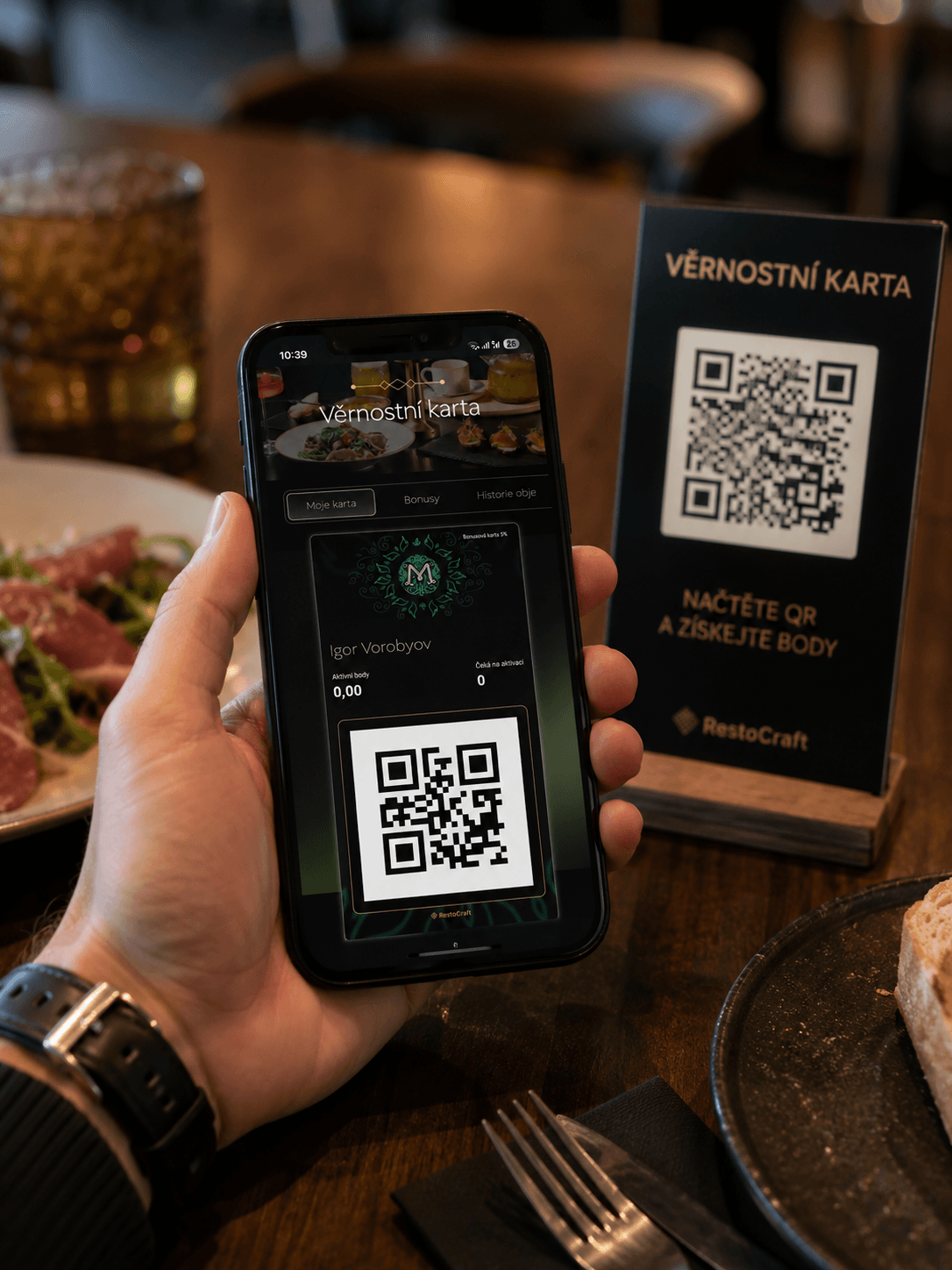
How to Create a Restaurant Loyalty Program: A Practical Guide for 2026
Many restaurant owners realize that attracting new customers is becoming increasingly expensive. Advertising costs continue to rise, and competition is stronger than ever. Yet many businesses overlook one of the most effective tools for increasing revenue — a restaurant loyalty program.
A well-designed loyalty program can increase repeat visits, strengthen relationships with guests, and encourage customers to spend more. However, simply having a loyalty program is not enough. If it is complicated, unappealing, or fails to deliver real value, guests simply will not use it.
So how do you create a restaurant loyalty program that actually works?
Why a Restaurant Loyalty Program Matters
Many restaurants invest most of their marketing budget in attracting new customers.
In reality, it is often more profitable to focus on guests who have already visited your restaurant.
Loyal customers:
- Visit more frequently
- Spend more per visit
- Recommend your restaurant to friends and family
- Leave positive reviews
- Have greater trust in your brand
That is why a loyalty program remains one of the most profitable marketing tools in the restaurant industry.
What Goals Should a Loyalty Program Achieve?
Before designing rewards and benefits, it is important to define your objectives.
A restaurant loyalty program can help:
- Increase repeat visits
- Increase average spending
- Collect customer contact information
- Promote new menu items
- Encourage referrals and recommendations
Every restaurant has different priorities, so loyalty programs should be tailored accordingly.
The Most Effective Types of Loyalty Programs
Points-Based Programs
Guests earn points for every visit or purchase.
Accumulated points can later be exchanged for rewards.
Benefits include:
- Easy to understand
- Encourages repeat visits
- Easy to automate
Digital Stamp Cards
A modern alternative to traditional paper loyalty cards.
For example:
“Buy 9 coffees and get the 10th free.”
Guests can easily track their progress directly on their smartphones.
Cashback Programs
A percentage of the guest’s spending is returned as credit for future visits.
This encourages customers to return sooner.
Visit-Based Rewards
Guests receive benefits after a certain number of visits.
Examples include:
- Free dessert
- Complimentary drink
- Exclusive menu items
- Priority reservations
Why Paper Loyalty Cards No Longer Work
Paper loyalty cards were popular for many years.
Today, they come with several disadvantages:
- Guests lose them
- Staff must validate them manually
- Restaurants collect no customer data
- Program performance is difficult to measure
A digital loyalty program automates the entire process while providing valuable customer insights.
Which Rewards Actually Motivate Guests?
One of the most common mistakes is offering rewards that customers do not find valuable.
The most effective rewards include:
- Discounts on future visits
- Free favorite beverages
- Complimentary desserts
- Birthday rewards
- Exclusive member offers
- Priority access to events and special promotions
Rewards should be attractive enough to motivate guests while remaining financially sustainable for the restaurant.
Personalization Is the Key to Success
A modern loyalty program is about much more than collecting points.
Personalization plays a crucial role.
If a restaurant knows:
- How often a guest visits
- What they usually order
- When their birthday is
- What their preferences are
it can create highly relevant offers with a much greater chance of success.
This is one of the main reasons digital loyalty systems outperform traditional paper cards.
The Most Common Loyalty Program Mistakes
The Program Is Too Complicated
If guests cannot understand how it works within a few seconds, they are unlikely to participate.
Rewards Are Not Attractive Enough
Unappealing rewards provide little motivation to return.
Poor Promotion
Many restaurants launch loyalty programs but fail to actively promote them to guests.
No Performance Tracking
Without data, it is impossible to know whether the program is actually generating results.
How a Digital Loyalty Program Increases Customer Retention
Modern solutions allow loyalty programs to be integrated with other restaurant systems.
For example:
- Online reservations
- Digital menus
- QR ordering
- QR payments
- CRM systems
Guests enjoy a seamless experience, while restaurants gain a better understanding of customer behavior.
The result is often higher customer retention and increased revenue.
Why Restaurants Choose the RestoCraft Loyalty Program
RestoCraft offers a digital loyalty solution designed specifically for restaurants.
Restaurants can:
- Collect valuable guest data
- Automatically assign rewards
- Create personalized offers
- Track program performance
- Connect loyalty features with reservations and other restaurant tools
Everything works within a single ecosystem, eliminating the need for multiple disconnected applications.
A Loyalty Program Should Be Simple and Valuable
The most successful loyalty programs are not the most complicated ones.
Quite the opposite.
The best results come from programs that are simple to use, provide real value to guests, and integrate naturally into daily restaurant operations.
When guests clearly understand the benefits and receive rewards without unnecessary effort, they are far more likely to return regularly.
FAQ
How do you create a restaurant loyalty program?
Start by defining your goals, choosing an appropriate reward structure, and making the program simple and easy for guests to use.
What type of restaurant loyalty program works best?
Points-based systems, digital stamp cards, cashback programs, and personalized rewards are among the most effective options.
Are digital loyalty programs better than paper loyalty cards?
Yes. Digital programs offer automation, customer data collection, performance tracking, and a better user experience.
What rewards motivate customers to return?
Discounts, complimentary drinks, free desserts, birthday rewards, and exclusive offers are typically the most effective incentives.
Can a loyalty program increase restaurant revenue?
Yes. A well-designed loyalty program can increase repeat visits, improve customer retention, boost average spending, and strengthen long-term customer loyalty.